Wondering whether to push your price high or aim for a sharper opening number? In Gig Harbor, that decision can shape how buyers respond in the first few days your home is on the market. If you want a strong market debut, the goal is not just to list your home. It is to launch with a price and presentation that make sense together. Let’s dive in.
Why pricing matters right away
Your first week on the market carries real weight. Buyers are searching online first, often on their phones or tablets, and many decide which homes to tour based on what they see there. That means your list price is not just a number. It is part of the first impression.
Recent market data also shows why early traction matters. Zillow’s April 2026 analysis found that 18.5% of U.S. homes went pending within seven days in February 2026, and those homes were 2.6 times more likely to sell above asking than the typical listing. In simple terms, the market tends to reward homes that look well-positioned from day one.
That does not mean every Gig Harbor home should be priced aggressively low. It means buyers are quick to react when the price, condition, and presentation feel aligned. If those pieces are off, the market usually notices fast.
Gig Harbor is not one market
One of the biggest pricing mistakes sellers make is relying too heavily on broad county data. Pierce County as a whole had 2.07 months of residential inventory in March 2026, with a median sold price of $557,000. But Gig Harbor map area 1 was different, with 3.63 months of inventory and a residential median of $837,500.
That gap matters because pricing should reflect your immediate competition, not just county averages. A market with more inventory gives buyers more choices, which usually means less room for wishful pricing. Gig Harbor is still below what is generally considered a balanced market, but it is not so tight that buyers will overlook an obvious overprice.
Even within Gig Harbor, price points vary by micro-area. NWMLS subareas showed meaningful differences in March 2026 residential medians:
- Gig Harbor: $837,500
- Fox Island: $910,000
- Gig Harbor South: $856,000
- Artondale: $860,000
- Gig Harbor North: $995,000
This is why a citywide average can lead you in the wrong direction. If your home is in Artondale, Fox Island, or Gig Harbor North, your pricing strategy should be built around comparable sales in that same subarea whenever possible.
Start with the right comparable sales
A strong list price begins with recently sold homes that are similar to yours in location, property type, size, condition, and overall appeal. These comparable sales are the foundation of a comparative market analysis. They help show what buyers have already been willing to pay, which is more useful than focusing on what active listings hope to get.
In Gig Harbor, that means looking closely at your micro-market and property type. A single-family home on Fox Island should not be measured against a different style of property in another part of the county just because the square footage is close. Buyers compare homes within a lifestyle and location context, and your pricing should do the same.
Condition matters too. If your home has updated finishes, strong curb appeal, and clear maintenance, it may support a stronger price than a similar home that needs work. On the other hand, deferred maintenance, dated spaces, or obvious repair needs can reduce what buyers are willing to pay, even in a market with limited inventory.
Today’s market leaves less room to miss
Washington sellers have still been closing near list price when they price well. NWMLS reported that homes statewide sold for an average of 99.6% of list price in 2025. That is a strong sign that accurate pricing still works.
At the same time, active listings rose 34.4% on average statewide in 2025. More inventory means buyers have more options and more ability to compare value. If your home enters the market too high, buyers may skip it, wait, or treat the eventual price adjustment as a sign that something was off from the start.
That is why the opening price matters so much. In a market with more choice, the best strategy is often precision, not optimism.
Match your price to your goals
Your pricing strategy should reflect what matters most to you. If your top goal is a quicker sale with strong early attention, a more competitive opening price usually makes sense. If you have more flexibility on timing, you may choose a higher ask, but it still needs to be supported by local sales, condition, and buyer expectations.
The key is to be honest about the trade-offs. A higher opening price can narrow your buyer pool and reduce showing activity. A well-supported price can create more urgency, stronger engagement, and better leverage if multiple buyers respond early.
This is where calm, data-driven strategy matters. The best pricing conversations are not about guessing the highest possible number. They are about choosing the number that best supports your goals and your home’s strongest launch.
Prep work supports the number
Pricing and preparation should work together. If you want buyers to respond well to your price, your home needs to feel ready when they first see it online and in person. A strong market debut usually starts before the listing goes live.
According to NAR, a pre-sale inspection is not required, but it can help identify issues that may affect your asking price. Knowing about repairs in advance can help you decide what to fix, what to disclose, and how to price with fewer surprises.
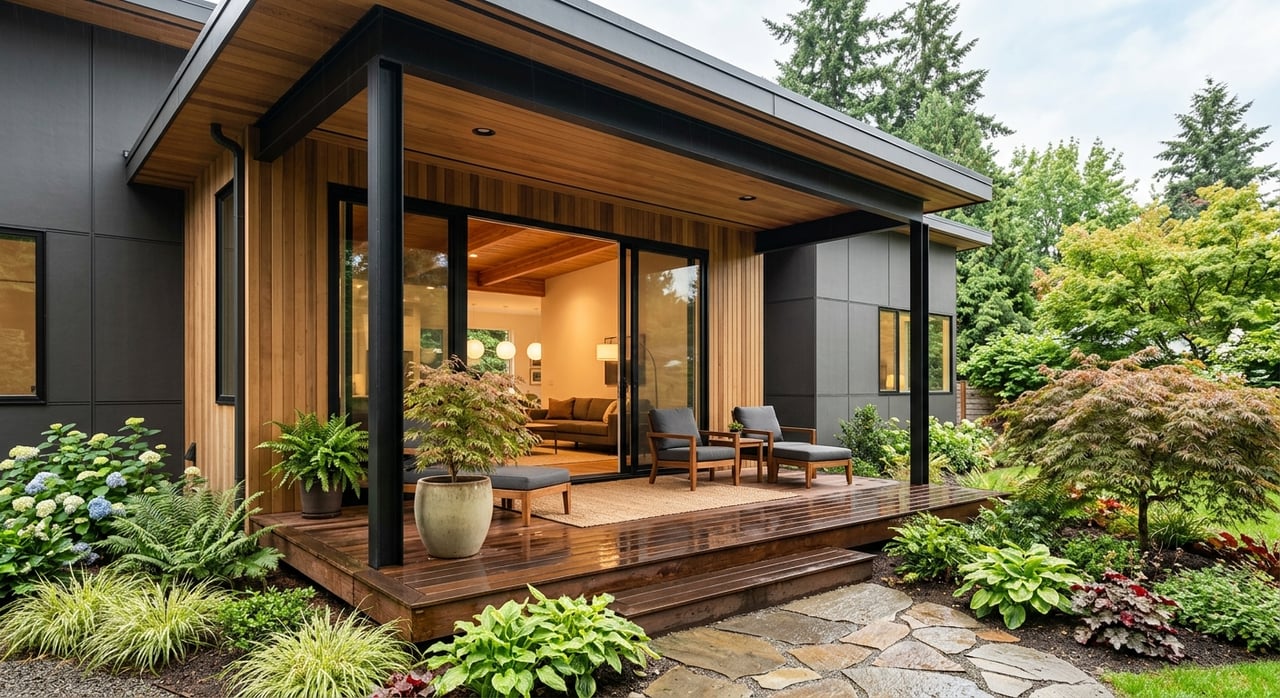
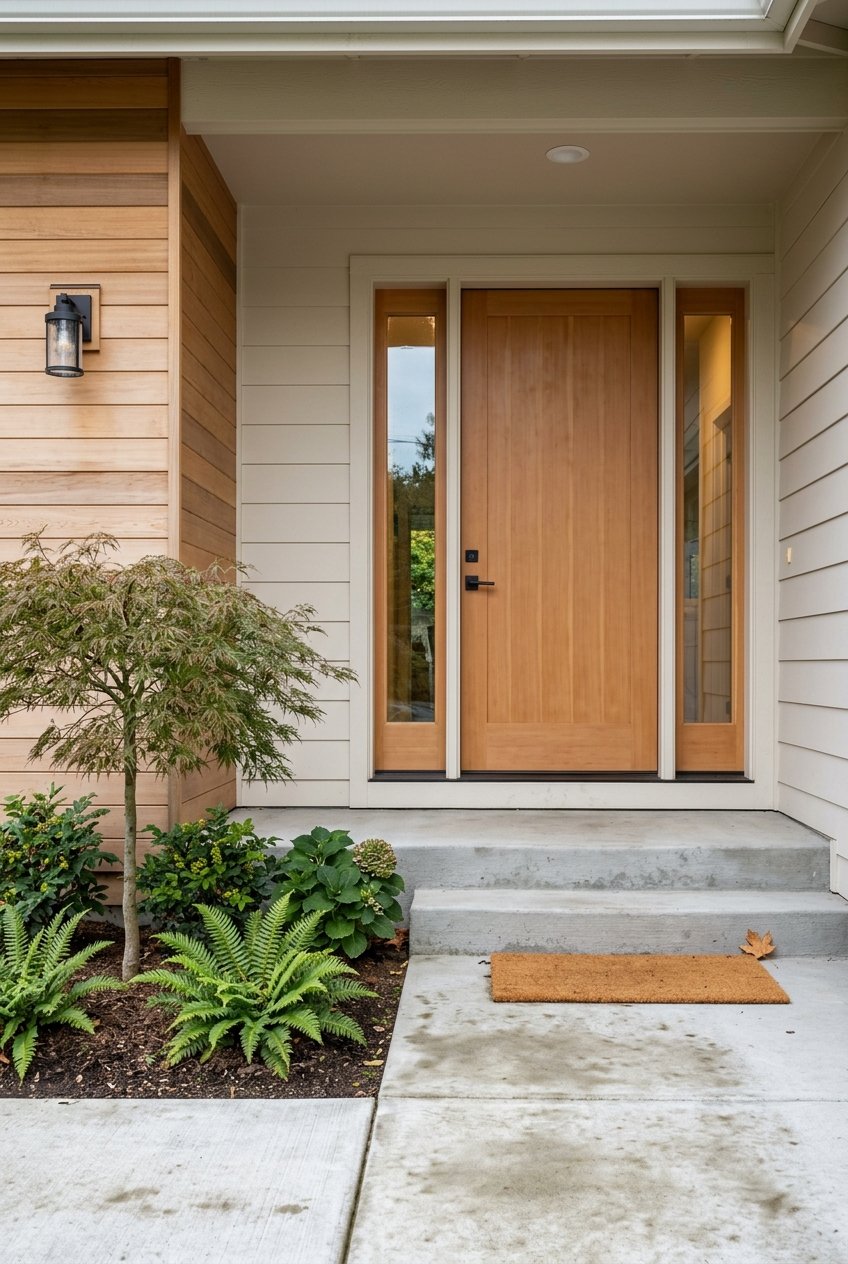
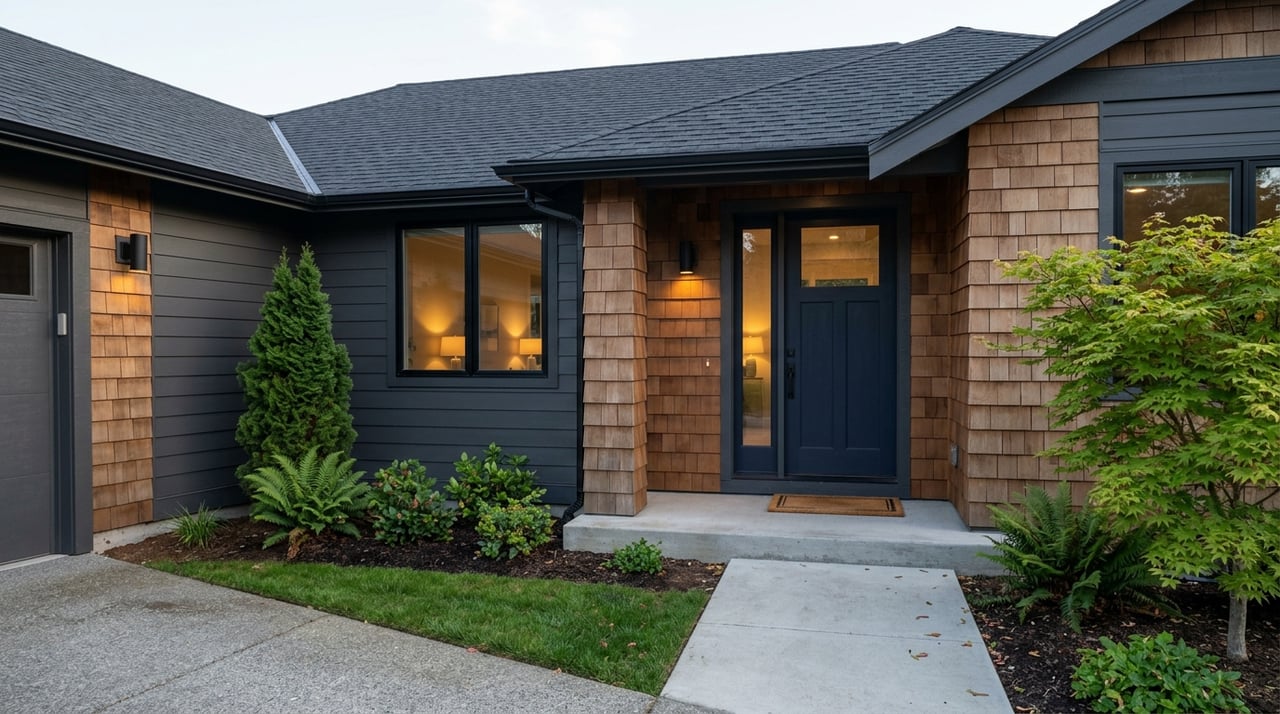
Simple preparation steps can also make a noticeable difference. NAR reports that the most common seller recommendations are decluttering, cleaning the entire home, and improving curb appeal. These steps help your home photograph better and feel more move-in ready to buyers.
Staging can also support a stronger launch. NAR’s 2025 staging report found that 29% of agents saw staging increase the dollar value offered by 1% to 10%, and 49% saw faster sales. Buyers’ agents also ranked photos, physical staging, videos, and virtual tours as highly important, which reinforces how much presentation shapes early interest.
Build a strong debut plan
If you want your home to make a strong first impression, the sequence matters. The most effective approach is to handle obvious condition issues, finish your visual prep, and then launch with a price that reflects both the market and your home’s readiness. That alignment helps buyers feel confidence right away.
A practical pre-listing plan often looks like this:
- Review recent closed sales in your exact Gig Harbor micro-area.
- Evaluate your home’s condition, upgrades, and likely buyer appeal.
- Decide which repairs or cosmetic updates are worth doing before launch.
- Declutter, deep clean, and improve curb appeal.
- Prepare for listing photos and other marketing assets.
- Set a list price that matches the data and your selling goals.
- Go live when the home and pricing strategy are fully aligned.
This kind of preparation is especially important because many buyers shop online before they ever step through the door. NAR’s 2024 survey found that 41% of buyers first looked online for properties, 52% found the home they purchased on the internet, and buyers typically searched for 10 weeks while viewing 7 homes. In that environment, your listing needs to stand out quickly and clearly.
Watch the first week closely
Once your home hits the market, the early response gives useful feedback. Showing activity, online engagement, and buyer comments can help confirm whether the price feels in line with expectations. If interest is strong, that usually suggests the market sees value in the offering.
If activity is quiet, it is worth paying attention early rather than waiting too long. In many cases, the market is signaling that buyers see stronger value elsewhere. A calm, organized response can protect your momentum better than hoping the issue resolves itself.
This is one reason a structured launch matters so much. When pricing, prep, and marketing are handled intentionally, you have a better chance of creating the kind of early attention that supports a cleaner sale.
Strong pricing is strategic, not flashy
In Gig Harbor, a strong market debut is rarely about chasing the highest possible number. It is about understanding your exact micro-market, reading current inventory, studying the right comparable sales, and making sure the home looks as ready as the price suggests.
That approach is especially important in a market where buyers have more choice than they did a few years ago. The homes that stand out are often the ones that feel well-prepared, well-presented, and well-priced from the start. When those pieces line up, your listing has a much better chance of earning the attention it deserves.
If you want a calm, strategic plan for pricing and launching your Gig Harbor home, Satya Delgadillo can help you build a clear path forward.
FAQs
How should you price a home in Gig Harbor, WA?
- The best starting point is recent closed sales of similar homes in your specific Gig Harbor micro-area, adjusted for condition, upgrades, and buyer appeal.
Why do Gig Harbor micro-markets matter when pricing a home?
- NWMLS data shows that areas like Fox Island, Artondale, Gig Harbor South, and Gig Harbor North can have meaningfully different median prices, so broad averages can miss the mark.
Does overpricing a home in Gig Harbor hurt early interest?
- Yes. With more buyer choice in today’s market, an aggressive opening price can reduce showings and weaken momentum during the first week.
What home prep steps support a stronger list price?
- Decluttering, deep cleaning, curb appeal improvements, and addressing obvious condition issues can help your home show better and support the pricing strategy.
How important are photos and staging when selling a Gig Harbor home?
- They matter a lot because many buyers begin online, and buyer agents report that photos, staging, video, and virtual tours play a major role in which homes buyers choose to visit.
When should you adjust your Gig Harbor listing price?
- If your home launches with limited activity or weak buyer response, the early market reaction may be signaling that the price or presentation needs to be revisited.