Wondering if life on the Key Peninsula feels peaceful or simply far from everything? The honest answer is that it can be both, depending on what you want from your day-to-day routine. If you are drawn to space, shoreline access, and a more rural pace, this area offers a lifestyle that feels distinct from busier parts of Pierce County. Let’s look at what daily life is really like so you can decide whether the tradeoffs fit you.
A Rural Rhythm Shapes Daily Life
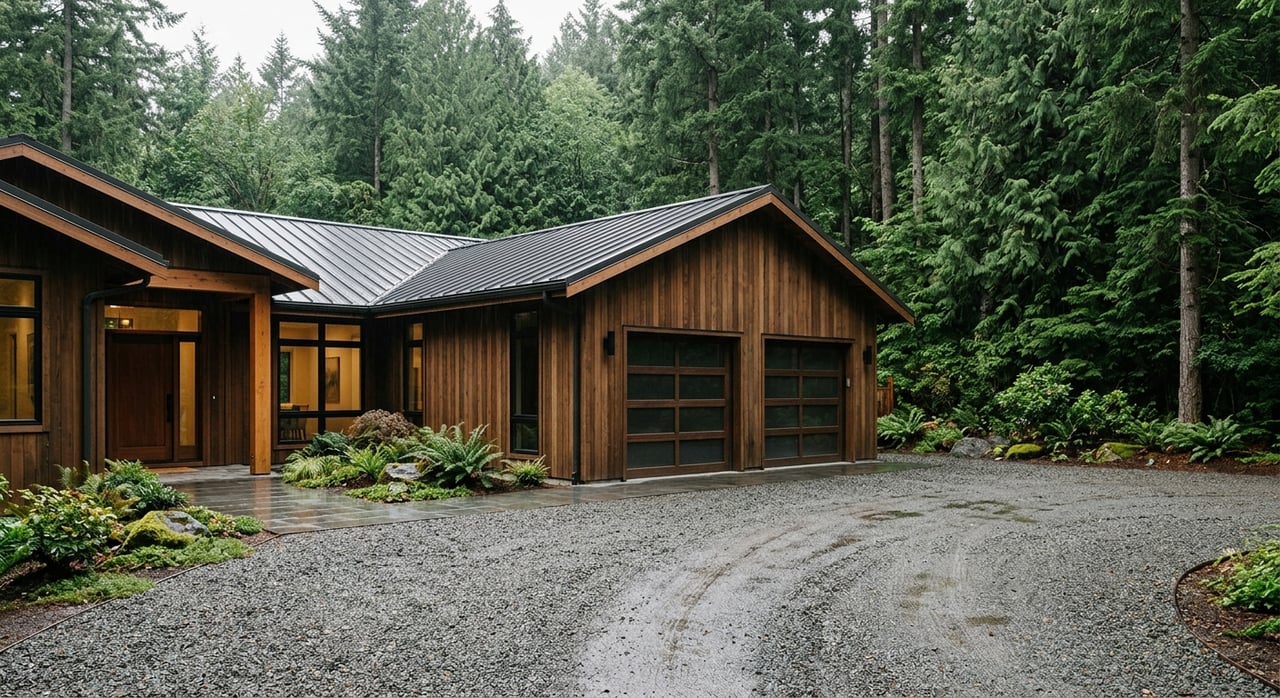
The Key Peninsula is defined by its geography and land use. Pierce County describes it as a rural area made up largely of residential home sites on large lots, along with agricultural and forest lands. That gives daily life a quieter, more spread-out feel than you would get in a typical suburban neighborhood.
The peninsula is about 16 miles long, narrows to just under 2 miles wide at one point, and has more than 70 miles of shoreline. In practical terms, that means water is part of the backdrop in many parts of the area, and getting around is more about a few main routes than a dense street grid. Your routines here tend to revolve around local hubs, home, and the outdoors.
Pierce County planning documents also note that residents want to preserve the wooded, pastoral, and natural character of the peninsula. If you are looking for a place that feels more built out and retail-heavy, this may not be the right fit. If you want breathing room and a strong connection to the landscape, that is a big part of the appeal.
Small Communities, Not One Center
One thing buyers often notice quickly is that the Key Peninsula does not function like one single town center. Instead, it is made up of smaller communities such as Key Center, Home, Longbranch, and Lake Kathryn Village. Each area contributes to the identity of the peninsula, but your errands and routines will likely still center on a few practical stops.
Key Center is an important local service hub. It is where you will find everyday resources like the Key Center Library, which offers computers, Wi-Fi, printing, scanning, copying, faxing, a meeting room, and a 24-hour book drop. County information also points to Key Peninsula Community Services as a local food-bank and senior-meal hub.
This setup can feel refreshingly simple if you like a less commercial environment. At the same time, it also means you should expect a more limited retail footprint than you would find in Tacoma, Lakewood, or even parts of Gig Harbor. Many households here get used to planning errands with intention.
Errands Take More Planning
If you live on the Key Peninsula, driving will likely be part of your daily routine. County planning materials describe the area as car-centered, with a road network that is mostly two-lane, often narrow, and generally not built on a grid. The same documents note that nonmotorized facilities are very limited, so walking or biking for daily transportation is less practical in many areas.
That matters because local commerce is compact. Pierce County says the peninsula’s economic character is rural, with small retail businesses serving local residents as well as a secondary market of vacation homes and campers. In everyday life, that often translates to handling some needs close to home and making more intentional trips for broader shopping or services.
Traffic patterns are also worth understanding upfront. County plans specifically note common commute backups around SR 302 and Purdy Drive NW. So while the setting feels calm, your trip off the peninsula may still require patience during busier travel times.
Transit Exists, But Most People Still Drive
The Key Peninsula does have a helpful transit option, especially for residents who want another way to reach Gig Harbor. Peninsula Transit is currently a free, ADA-accessible shuttle connecting the Key Peninsula and Gig Harbor, with the pilot scheduled through August 2026. It operates six days a week and stops at places including Key Peninsula Community Services, Key IGA, Purdy Cost Less Pharmacy, Purdy Park & Ride, North Gig Harbor Safeway Pavilion, Skansie Brothers Park, and Uptown Gig Harbor.
Pierce County says the service is designed to help residents reach work, appointments, shopping, and other destinations. That can be a real benefit for certain routines. Still, county planning documents make clear that limited transit and limited sidewalk and bike infrastructure leave the community largely dependent on motor vehicles.
If you are considering a move here, it helps to think honestly about your schedule. A flexible work setup, fewer daily trips, or comfort with driving can make the lifestyle feel easy. If you need frequent access to a wide range of services every day, the distance may feel more noticeable.
Outdoor Access Is Part of Everyday Life
For many residents, the biggest lifestyle benefit is how easy it is to get outside. Waterfront access and shoreline parks are a high priority in the community plan, which says a lot about how central the outdoors is to life on the peninsula. This is not just a weekend feature. It tends to shape how people spend free time year-round.
Penrose Point State Park is one of the area’s standout recreation spots. It offers camping, boating, kayaking, paddleboarding, fishing, shellfishing, beach exploration, and 82 campsites. Joemma Beach State Park adds more saltwater access, along with a boat ramp, dock and moorage, kayaking, paddleboarding, camping, and shoreline use.
Local parks add even more everyday options. Gateway Park includes playgrounds, a spray-and-play area, off-leash dog areas, and access to 360 Trails. Key Central Forest offers 480 acres of forest and trails for hiking and equestrian use, which supports the kind of outdoor routine many buyers are hoping for when they search in this area.
Homeownership Feels More Hands-On
Living on the Key Peninsula often comes with a more rural homeownership experience. Pierce County planning documents say most residents rely on groundwater from private or community wells. The county also does not provide sanitary sewer or wastewater treatment on the peninsula, so septic systems are the standard.
That does not make ownership harder by default, but it does mean your home systems may require a little more awareness than they would in a fully urban service area. If you are moving from a neighborhood with city utilities, this is one of the biggest day-to-day adjustments to understand. It is less about alarm and more about being prepared.
This is especially important if you are comparing homes with acreage or homes in less densely developed areas. The lifestyle benefits of privacy and space often come with different maintenance considerations. A clear understanding of those details can help you buy with confidence.
Family Routines and Local Services
For households with children, daily life is often shaped by driving patterns, school routines, and community resources. State early-learning listings show that ZIP codes 98329 and 98349 are in the Peninsula School District service area for children and youth in the Gig Harbor and Key Peninsula area. That gives families a starting point for understanding local school service coverage.
Beyond that, many routines still come back to the peninsula’s practical hubs. The library, community services, parks, and local businesses all play a role in everyday life. Pierce County also places Key Peninsula Fire District 16 headquarters in Lakebay, which is part of the area’s local public service network.
What many buyers appreciate is that daily life here can feel connected without feeling crowded. You are not in a dense commercial district, but you are also not isolated if you know how the peninsula is organized. That balance is part of what draws people here.
The Tradeoff: Space and Privacy vs. Convenience
If you boil the Key Peninsula lifestyle down to one simple idea, it is this: you are trading some convenience for more space, privacy, and access to nature. County planning and land-use descriptions support that picture clearly. The area is rural in form and function, with homes, woods, shoreline, and small service centers shaping everyday life.
For the right buyer, that tradeoff feels worth it almost immediately. You may get a larger lot, a quieter setting, and better access to outdoor recreation than you would in a more built-up area. You also need to be comfortable planning errands, driving more often, and understanding home systems like wells and septic.
This is why the Key Peninsula tends to be a strong fit for buyers who value lifestyle as much as location. If your ideal day includes a slower pace, natural surroundings, and room to spread out, the area can feel very intentional. If you want quick access to a dense mix of shops, services, and walkable infrastructure, it may feel less convenient.
What Buyers Should Think About First
Before you decide whether the Key Peninsula is right for you, focus on the routines that matter most in your real life.
- How often do you commute off the peninsula?
- How important is quick access to shopping and services?
- Are you comfortable owning a home with a well and septic system?
- Do you want larger lots, wooded surroundings, or shoreline access?
- Would parks, trails, boating, or beach access actually shape your weekly routine?
These questions matter because the peninsula is not trying to be everything to everyone. Its appeal is specific, and that is a good thing. The more honest you are about your priorities, the easier it becomes to know whether this lifestyle fits.
If you are thinking about buying or selling on the Key Peninsula, working with someone who can help you weigh the lifestyle tradeoffs, property details, and location-specific considerations can make the process feel much clearer. If you want a calm, strategic conversation about what to expect, connect with Satya Delgadillo.
FAQs
What is daily life like on the Key Peninsula, Washington?
- Daily life on the Key Peninsula is generally rural, quieter, and more spread out, with routines centered around driving, local service hubs, and outdoor access.
Is the Key Peninsula convenient for errands and shopping?
- The Key Peninsula has small local businesses and practical service hubs, but many residents still plan errands carefully and may travel off the peninsula for a wider range of shopping and services.
Is public transit available on the Key Peninsula?
- Yes. Peninsula Transit is a free, ADA-accessible shuttle between the Key Peninsula and Gig Harbor operating six days a week through August 2026, but most daily travel in the area is still car-dependent.
What outdoor activities are common on the Key Peninsula?
- Common activities include boating, kayaking, paddleboarding, fishing, shellfishing, hiking, camping, beach exploration, dog walking, and equestrian trail use.
What should Key Peninsula home buyers know about utilities?
- Many homes on the Key Peninsula rely on private or community wells, and septic systems are standard because Pierce County does not provide sanitary sewer or wastewater treatment on the peninsula.
Are there community services on the Key Peninsula for local residents?
- Yes. Key Center serves as a practical hub with resources like the library, and county information identifies Key Peninsula Community Services as a local food-bank and senior-meal hub.