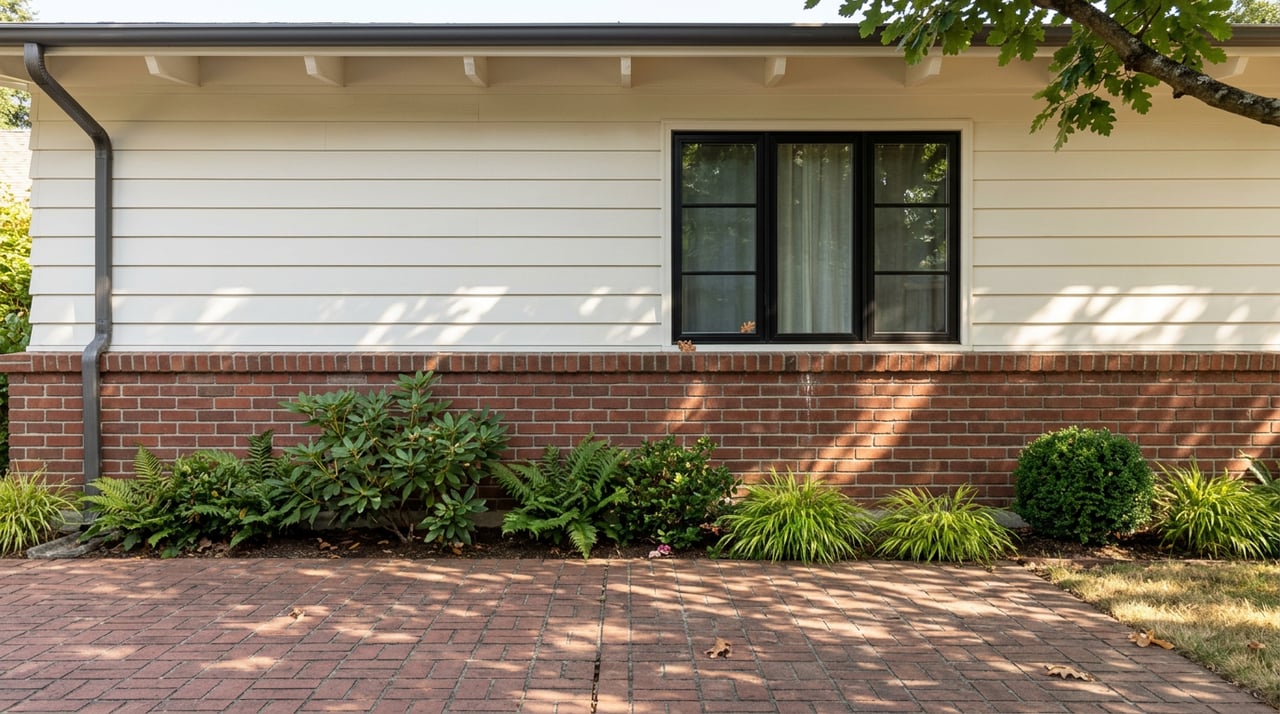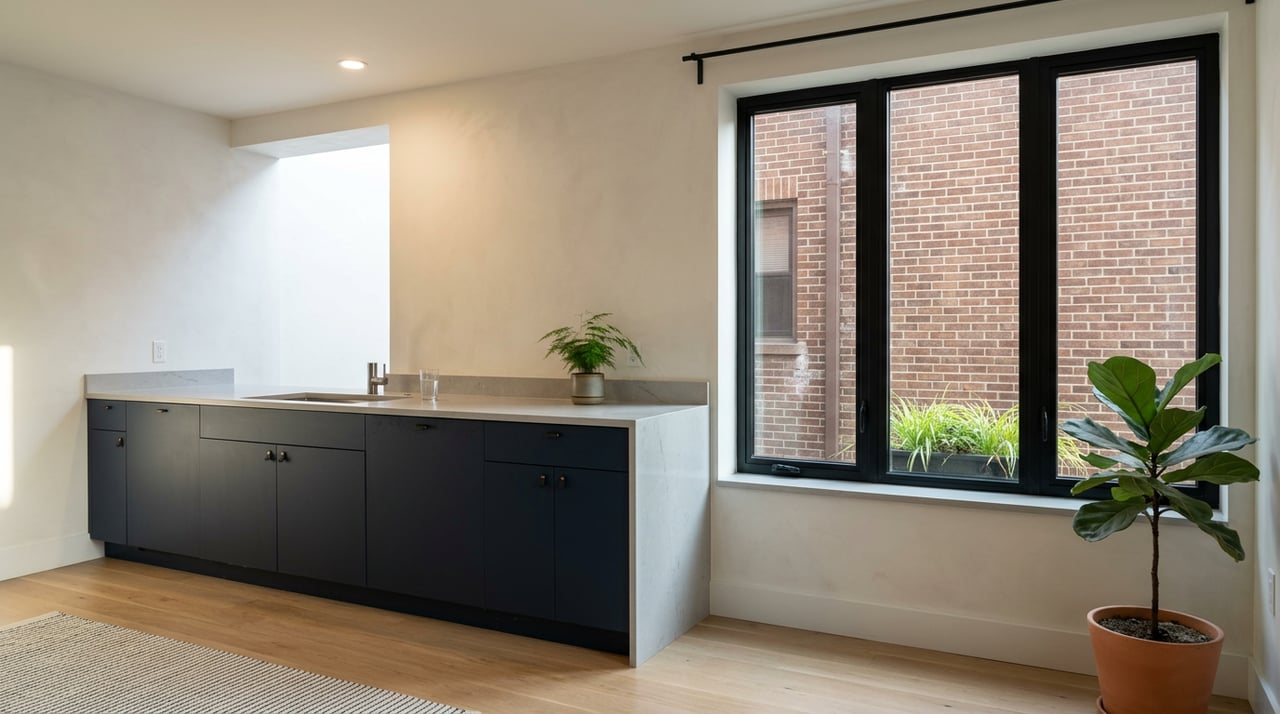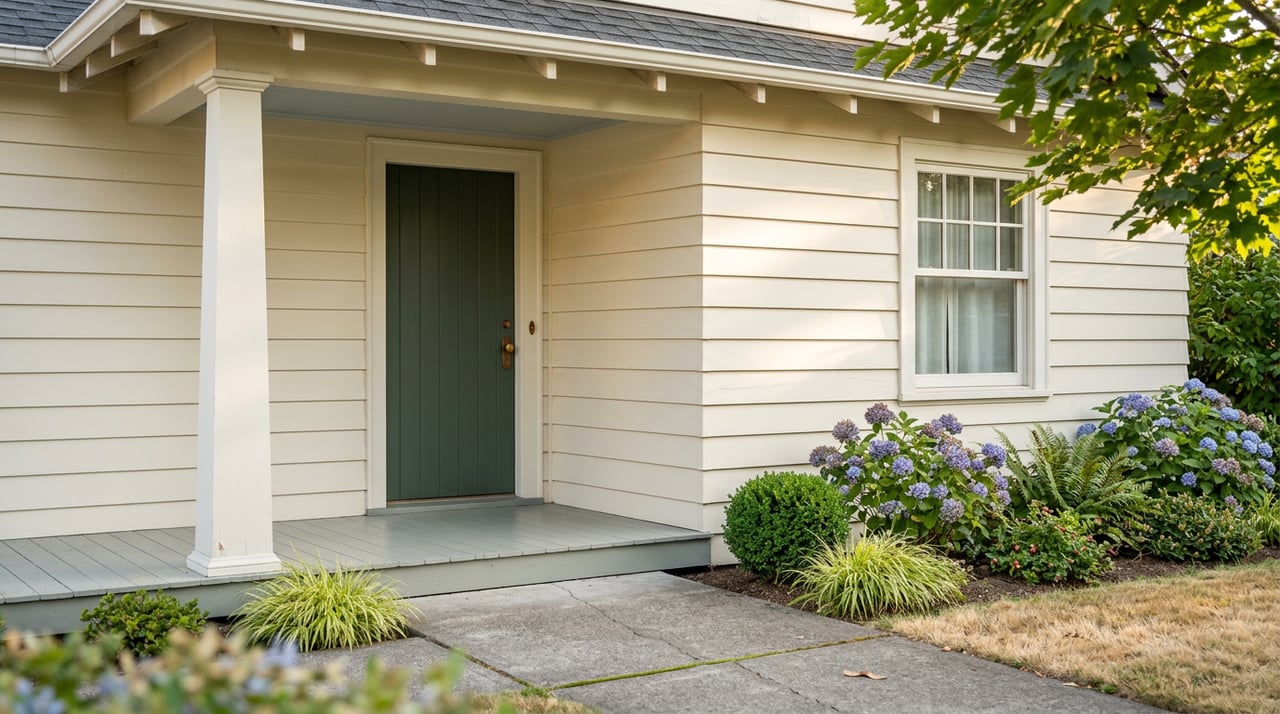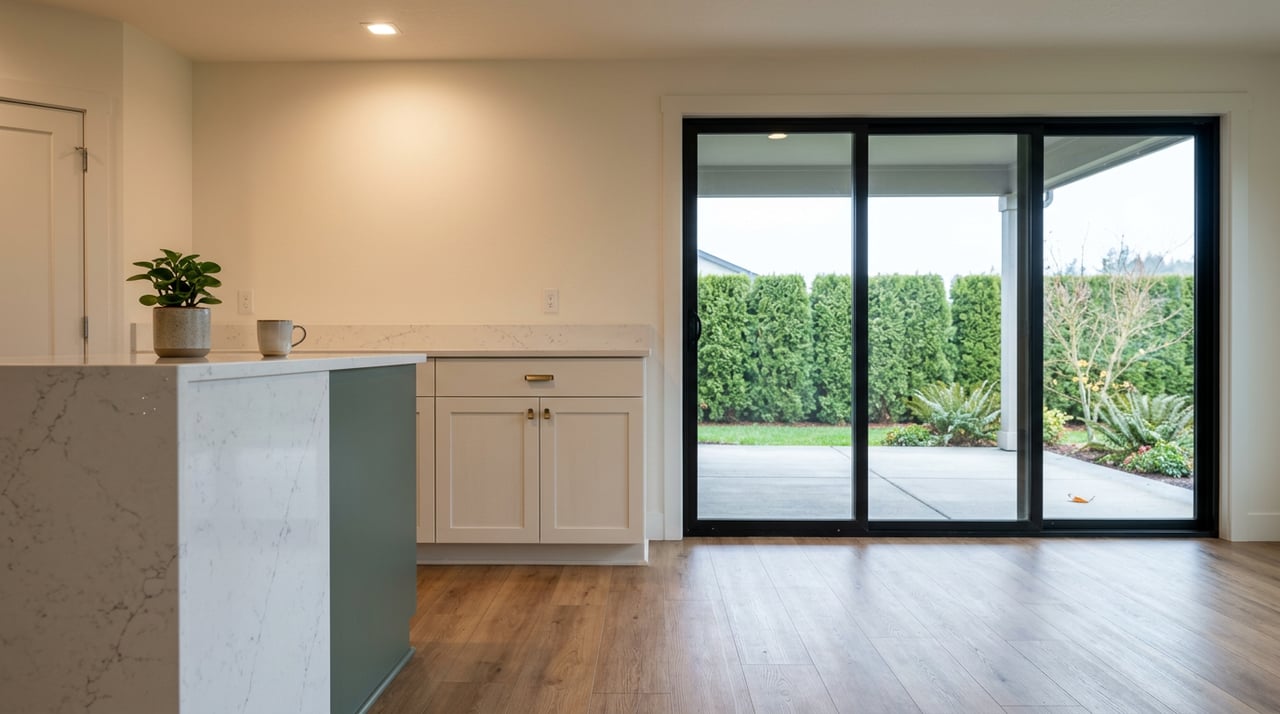
Look at two medians side by side. New single-family homes closed in Gig Harbor over the last six months carry a median price near $1.14M at roughly 2,760 square feet. Resale across the same city, depending on which dataset you trust and which window you pull, lands somewhere between $776K and $942K.
That gap is the whole story. It is wider than it was a year ago, and it widened at the exact moment resale buyers got their leverage back. If you have been reading portal summaries and assumed new construction is scarce and bid up while resale is holding steady, the numbers are pointing the other direction.
The two medians that don't agree
Pulling from multiple sources in mid-2026 gives a useful spread rather than one number to argue over.
| Source & window | Median | Days on market | Notes |
|---|---|---|---|
| New-build closings, last 6 months (NWMLS via Wicklund) | $1,142,419 | — | Median size 2,760 sf |
| Redfin, 3 months ending May 2026 | $942,000 | 14 | All sales, up 1.8% YoY |
| Orchard, 30-day trailing (mid-2026) | $925,000 | 24 | Price/sf $402, up 6.4% YoY |
| Movoto listing median, August 2026 | $799,000 | 53 | Down ~3% YoY |
| Properties Incorporated, 2026 | $776,000 | 76 | 2.3 months of supply |
| Zillow ZHVI, April 2026 (ZIP 98335 / broader city) | $764K–$826K | 15 to pending | Flat YoY |
The spread inside resale numbers is normal for a market this segmented, and the sale-to-list ratio sitting at 99.39% tells you final sale prices are landing just under ask. The number that does not fit the crowd is $1.14M. That is the new-construction bucket, and it is roughly $200K to $370K above the resale median depending on which comparator you use.
What that premium is actually buying
Walk any active build in Gig Harbor North and the specification list is consistent. Firdrona Crest, JK Monarch's 16-home cul-de-sac community minutes from Highway 16 and Costco, is a fair benchmark: heat pump with air conditioning, 8-foot interior doors, quartz counters, induction range, soft-close cabinetry, LVP flooring, wrought-iron rails, landscaped and fenced yards with irrigation, and a builder incentive of around $15K on current inventory. Rush Residential's Cushman Pointe lineup runs from a 2,315-square-foot rambler up to plans over 3,500 square feet with three-car garages and covered outdoor living. MainVue's original Harbor Hill community is sold out, with the builder's active Gig Harbor presence now at The Reserve at Gig Harbor.
The price also buys structural predictability that older resale stock in Artondale, Wollochet, or the downtown historic pockets rarely delivers without meaningful renovation:
- A builder warranty with a defined punch-list process
- Modern envelope specs, double-pane windows, and code-current insulation
- HOA-managed streetscape consistency, sidewalks, and pocket parks
- Central AC as a standard feature, not a retrofit
- A single closing date rather than staged repairs
That is a real bundle of goods. Whether it is worth a $200K to $370K premium over a similar-sized resale home on a larger lot is the question a buyer should actually be answering, and the answer depends on how much the buyer values lot size, mature trees, and negotiation room versus turnkey delivery.
Where resale leverage came back
The resale side of the market moved in 2026 in ways that a top-line median obscures.
Total Gig Harbor inventory sits around 271 homes for sale, up roughly 50% year over year. Roughly 34% of active listings had a price reduction in the trailing 30-day window, which is nearly ten percentage points higher than the same period a year earlier. Average days on market has stretched from 10 days a year ago to 24 on Orchard's read and 76 on Properties Incorporated's, with 2.3 months of supply meeting the standard definition of a balanced market. Gig Harbor North specifically has cooled from a 3-day-on-market pace a year ago to 59 days, with the median down 8.6% year over year to $809K.
Read together, those numbers describe a resale market where buyers can ask for inspection concessions, negotiate credits, and revisit price after a home has been sitting three to eight weeks. A year ago they could not.
Meanwhile, new-construction pricing is anchored by the builder's pro forma, not by the last comparable sale down the street. Builders would rather offer a rate buydown, a closing-cost credit, or an appliance upgrade than cut base price, because base-price cuts reset every future contract in the community. That is why the premium widens rather than compresses in a softening market.
The friction moved from the offer to the contract
For most of the last four years, the transaction risk in Gig Harbor lived in the offer stage: escalation clauses, waived contingencies, inspection pressure. In 2026, on new construction, the risk has migrated to the contract itself.
A few of the places it shows up:
Upgrade decision windows close early. Structural options at Cushman Pointe, Firdrona Crest, and comparable communities usually lock 30 to 60 days after contract, and design-center selections shortly after. Buyers who wait to see how the market moves before choosing upgrades often lose the option entirely, and every upgrade dollar spent post-lock either goes on a change order at a premium or waits until after closing at retail.
Appraisal risk on spec inventory is real again. When resale comps are drifting down and new-build base prices are holding, appraisals on to-be-built homes in the same submarket can come in short. The contract language on who covers the gap, and whether the earnest money is at risk, is usually favorable to the builder unless it is negotiated up front.
Builder contracts are not the standard Form 21. Timeline extensions, change-order pricing, HOA transfer fees, warranty scope, and dispute resolution all read differently from the resale purchase and sale agreement most Washington buyers see. The fine print on completion-date remedies is often the single most consequential clause and the one most commonly skimmed.
Incentive stacking has replaced price cuts. A $15K "your way" bonus, a permanent rate buydown, and a landscaped yard sound additive. Read the fine print on lender-tied incentives, though, because using the builder's preferred lender is often the condition, and the rate quoted may not be the rate the buyer would independently qualify for.
On the resale side, the friction is different but symmetrical. With homes sitting 60 to 76 days, the leverage is real, but sellers who priced against 2024 comps are often anchored and need a data-driven negotiation rather than a lowball offer. Inspection findings on 20-to-40-year-old homes in Artondale, Rosedale, or the older Peninsula pockets tend to cluster around roofs, siding, septic, and drainfield condition, and those are the line items where credits are negotiable in a balanced market.
The premium buys certainty. The discount buys leverage. Neither is inherently the better trade. The trade depends on which risk the buyer would rather manage.
A short FAQ
Is the Westbury 55+ community priced like other new construction? Westbury reads as a distinct product: gated, low HOA dues, zero-step entry from front door and garage, single-level plans. It sits inside the new-construction bucket statistically but the buyer pool is narrower, so the pricing is less directly comparable to Firdrona Crest or Cushman Pointe.
Does the Canterwood price bracket count as new construction? Rarely. Canterwood is predominantly resale inside a gated golf-course community, and the price bracket runs above the new-construction median for square-footage and lot reasons rather than new-build specification. It is a useful comparator when weighing a $1.1M new build against a $1.1M established home, not a substitute.
How much does the appraisal-gap risk actually matter on a spec home? It matters most when the contract is signed 90 to 180 days before closing and comps are drifting. On an already-completed spec, the appraisal happens close to closing and the risk window is short. On a to-be-built home in a community still releasing phases, the risk window is the full build cycle, and the contract clause governing it deserves a careful read.
Is now a better time to buy resale or new in Gig Harbor? That depends on how much the buyer values negotiating room versus turnkey delivery. In 2026, resale leverage is the highest it has been in several years, and new-construction incentives are the most generous. Both sides of the market are working for the buyer right now, in different currencies.
The point of a well-managed purchase is not to guess the market. It is to price the risk you are actually taking and structure the contract accordingly. If you are weighing new construction against resale in Gig Harbor, or evaluating a specific community's contract terms before signing, Satya Delgadillo can walk through the tradeoffs with the numbers in front of you. Schedule a consultation.